
Introduction
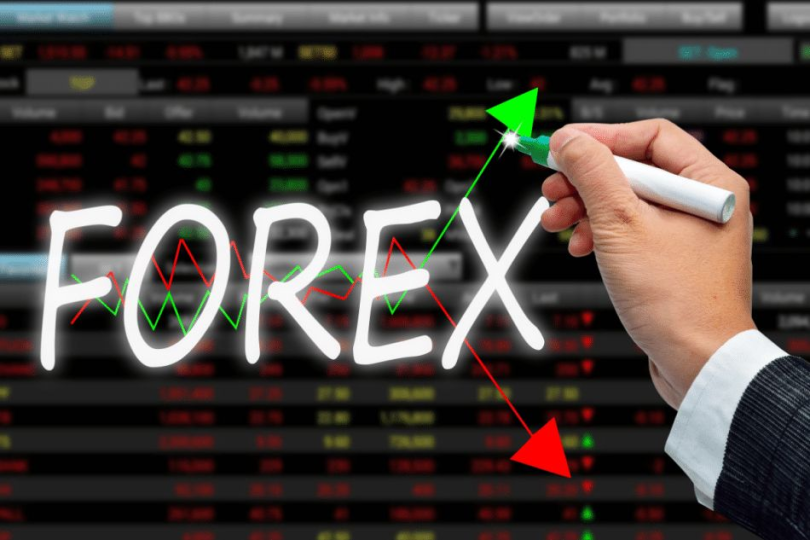
Forex trading has become one of the most popular ways to participate in the global financial market. Millions of people around the world trade currencies daily to earn profits, diversify investments, or build long-term financial skills. This Forex Trading Guide is designed for beginners and intermediate traders who want to understand how the forex market works and how to trade more confidently.
The forex market operates twenty-four hours a day and involves the buying and selling of currency pairs. Unlike stock markets, forex trading gives traders access to a highly liquid and active environment. Because of this, many people are attracted to forex trading for its flexibility and profit potential.
However, successful trading is not based on luck. It requires knowledge, discipline, risk management, and a strong understanding of market behavior. Many new traders jump into trading without preparation and end up losing money because they ignore the basics.
This Forex Trading Guide explains everything step by step, including how the market works, trading strategies, benefits, risks, common mistakes, and professional tips. By the end of this article, you will have a clear understanding of forex trading and how to start your journey responsibly.
What is Forex Trading?
Forex trading, also known as foreign exchange trading, is the process of buying one currency while selling another currency at the same time. The forex market is the largest financial market in the world, with trillions of dollars traded every day.
Currencies are traded in pairs such as:
- EUR/USD
- GBP/USD
- USD/JPY
- AUD/USD
For example, if a trader believes the Euro will rise against the US Dollar, they may buy the EUR/USD pair. If the market moves in the predicted direction, the trader can make a profit.
The forex market includes:
- Banks
- Financial institutions
- Governments
- Companies
- Individual traders
Trading usually happens through online brokers using trading platforms like MetaTrader or mobile trading apps.
Why is Forex Trading Important?
Forex trading plays a major role in the global economy. International businesses use currency exchange to operate worldwide, while investors and traders use the market to generate profits.
Here are some reasons why forex trading is important:
Global Currency Exchange
Businesses importing or exporting products need currency exchange to complete international transactions.
Investment Opportunities
Forex trading gives individuals a chance to participate in global financial markets from home.
High Market Liquidity
The forex market has extremely high trading volume, making it easy to buy or sell currencies quickly.
Flexible Trading Hours
The market operates twenty-four hours a day during weekdays, allowing traders to choose convenient trading times.
Economic Indicators
Forex markets reflect economic conditions, interest rates, inflation, and political events across countries.
Detailed Step-by-Step Guide
Step 1: Learn Forex Trading Basics
Before risking money, understand key forex concepts such as:
- Currency pairs
- Pips
- Spread
- Leverage
- Margin
- Stop-loss
- Take-profit
Learning the basics builds a strong foundation and helps traders avoid costly mistakes.
Step 2: Choose a Reliable Forex Broker
A broker provides access to the forex market. Choosing the right broker is extremely important.
Look for:
- Regulation and licensing
- Low spreads
- Fast trade execution
- User-friendly platform
- Strong customer support
- Educational resources
Avoid brokers with unrealistic profit promises.
Step 3: Open a Demo Account
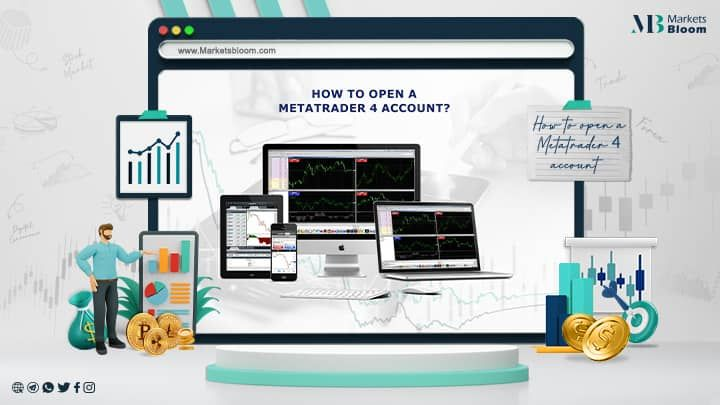
A demo account allows traders to practice using virtual money before trading with real funds.
Benefits of demo trading include:
- Learning platform tools
- Testing strategies
- Building confidence
- Understanding market movement
Practice consistently before switching to a live account.
Step 4: Understand Currency Pairs
Currency pairs are divided into categories:
Major Pairs
These involve the US Dollar and have high liquidity.
Examples:
- EUR/USD
- GBP/USD
- USD/JPY
Minor Pairs
These pairs do not include the US Dollar.
Examples:
- EUR/GBP
- AUD/NZD
Exotic Pairs
These involve currencies from developing economies.
Examples:
- USD/TRY
- USD/ZAR
Beginners usually start with major pairs because they are more stable and liquid.
Step 5: Learn Market Analysis
Successful forex trading requires analysis.
Technical Analysis
Technical analysis uses charts and indicators to predict price movement.
Popular indicators include:
- Moving averages
- RSI
- MACD
- Bollinger Bands
Fundamental Analysis
Fundamental analysis focuses on economic news and events.
Important factors include:
- Interest rates
- Inflation reports
- Employment data
- Political events
Sentiment Analysis
This analysis measures market mood and trader behavior.
Combining different analysis methods improves trading decisions.
Step 6: Develop a Trading Strategy
A trading strategy provides clear trading rules.
A good strategy includes:
- Entry points
- Exit points
- Risk management
- Trade timing
- Position sizing
Popular forex trading strategies include:
Scalping
Scalping involves making small profits from quick trades.
Day Trading
Trades are opened and closed within the same day.
Swing Trading
Swing traders hold positions for several days.
Position Trading
This long-term strategy focuses on larger market trends.
Choose a strategy that matches your schedule and personality.
Step 7: Use Risk Management
Risk management protects traders from major losses.
Important risk management rules include:
- Never risk more than two percent per trade
- Always use stop-loss orders
- Avoid emotional trading
- Maintain proper position sizes
Professional traders focus on protecting capital first.
Step 8: Start with Small Investments
Beginners should avoid investing large amounts initially.
Starting small helps traders:
- Control emotions
- Gain experience
- Reduce financial pressure
As skills improve, traders can gradually increase trading size.
Step 9: Keep a Trading Journal
A trading journal helps track progress.
Include details such as:
- Entry and exit points
- Profit or loss
- Trade reasons
- Emotional state
Reviewing trades helps improve future performance.
Step 10: Continue Learning
Forex trading constantly evolves due to economic changes and market conditions.
Successful traders continue learning through:
- Market analysis
- Trading books
- Webinars
- Practice sessions
- Economic news updates
Continuous learning increases long-term success chances.
Benefits of Forex Trading
Forex trading offers several advantages for traders worldwide.
- High liquidity and fast execution
- Low starting capital requirements
- Flexible trading hours
- Access from anywhere with internet
- Opportunity to profit in rising and falling markets
- Availability of leverage
- Large variety of trading strategies
- Strong educational resources online
- Easy access through mobile trading apps
- Potential for long-term skill development
Disadvantages / Risks
Although forex trading offers opportunities, it also carries significant risks.
- High market volatility
- Possibility of losing money quickly
- Emotional stress and pressure
- Risk from excessive leverage
- Scam brokers and fake signals
- Complex market behavior
- Overtrading issues
- Dependency on internet and technology
- Sudden economic or political events
- Lack of proper risk management
Understanding these risks is essential before trading real money.
Common Mistakes to Avoid
Many traders fail because they repeat common mistakes. Avoiding these problems can improve trading performance.
Trading Without a Plan
Entering trades without strategy often leads to inconsistent results.
Ignoring Risk Management
Risking too much money on one trade can destroy an account quickly.
Emotional Trading
Fear and greed cause traders to make poor decisions.
Overtrading
Taking too many trades increases mistakes and emotional pressure.
Using High Leverage
Excessive leverage can magnify losses rapidly.
Chasing Losses
Trying to recover losses emotionally usually creates bigger problems.
Ignoring Market News
Economic announcements can create strong market volatility.
Switching Strategies Frequently
Changing strategies too often prevents traders from mastering one approach.
Lack of Patience
Successful trading requires discipline and patience over time.
FAQs
What is the best time to trade forex?
The best time to trade forex is during major market sessions like London and New York because trading volume and volatility are higher.
Can beginners make money in forex trading?
Yes, beginners can make money if they learn properly, practice consistently, and follow strong risk management rules. However, profits are never guaranteed.
How much money is needed to start forex trading?
Many brokers allow traders to start with small deposits. Beginners often start with amounts they can afford to lose comfortably.
Is forex trading risky?
Yes, forex trading involves significant financial risk. Without proper education and discipline, traders can lose money quickly.
Which currency pairs are best for beginners?
Major pairs like EUR/USD and GBP/USD are usually recommended for beginners because they have high liquidity and relatively stable price movements.
Do I need technical analysis for forex trading?
Technical analysis is very useful because it helps traders identify trends, support levels, and possible entry points.
What is leverage in forex trading?
Leverage allows traders to control larger positions using smaller amounts of capital. While leverage can increase profits, it can also increase losses.
Can forex trading become a full-time career?
Some traders eventually trade full-time, but this requires experience, discipline, capital, and consistent performance over time.
Expert Tips & Bonus Points
Here are some professional tips that can improve trading performance.
Focus on Discipline
Discipline matters more than excitement in trading. Following rules consistently leads to better long-term results.
Avoid Unrealistic Expectations
Forex trading is not a quick-rich scheme. Building trading skills takes time and practice.
Trade with a Calm Mind
Emotional stability helps traders make logical decisions instead of impulsive trades.
Use a Trading Routine
Professional traders follow structured routines for market analysis and trade execution.
Learn from Losses
Every loss provides valuable learning opportunities. Analyze mistakes carefully.
Protect Your Capital
Survival in the market is more important than chasing large profits.
Keep Improving Your Strategy
Market conditions change over time, so strategies should evolve gradually.
Stay Updated on Economic Events
Major economic announcements often create strong market movement.
Avoid Signal Dependency
Relying completely on signals without understanding the market limits growth as a trader.
Practice Patience
Waiting for high-quality trading opportunities usually produces better outcomes than constant trading.
Conclusion
Forex trading offers exciting opportunities for people interested in financial markets and global currencies. With proper education, discipline, and consistent practice, traders can develop valuable skills and improve their understanding of market behavior. This Forex Trading Guide has covered the essential concepts every beginner and intermediate trader should know before entering the market.
Although forex trading can provide profit potential, it also involves serious risks. Success does not happen overnight, and traders who approach the market carelessly often experience losses. That is why learning risk management, controlling emotions, and following a structured strategy are extremely important.
Beginners should focus on education first instead of quick profits. Starting with demo accounts, using small investments, and practicing patience can help traders build confidence gradually. Over time, consistent learning and disciplined decision-making can improve trading performance significantly.
The forex market rewards preparation, patience, and smart decision-making. Traders who stay committed to continuous improvement are more likely to succeed in the long run. Whether your goal is part-time income, investment diversification, or professional trading, developing the right mindset and strategy is the key to building a successful trading journey.