
Introduction
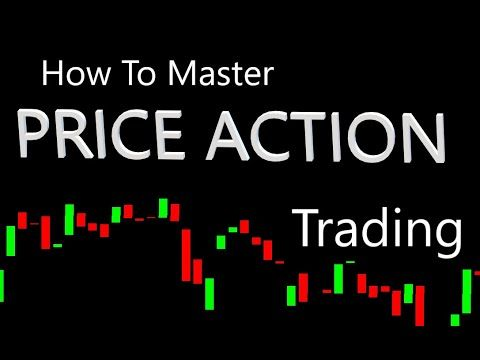
Price Action Trading Strategy is one of the most widely used approaches in the financial markets, especially among forex, stocks, and crypto traders. It focuses on analyzing raw price movement on charts without relying heavily on indicators or complex tools. Instead, traders study candlesticks, patterns, support, and resistance to make informed decisions. This makes it a clean and straightforward method for understanding market behavior.
Many beginners struggle with trading because they depend too much on indicators that often lag behind the market. Price Action Trading Strategy solves this issue by allowing traders to read real-time market sentiment directly from price movements. This approach helps traders react faster and more accurately to market changes.
In this guide, you will learn everything about Price Action Trading Strategy in a structured and simple way. From understanding its core concept to learning step-by-step execution, advantages, risks, and expert tips, this article will help you build a strong foundation. Whether you are a beginner or an intermediate trader, mastering this method can significantly improve your trading performance and decision-making skills in different market conditions.
What is Price Action Trading Strategy?
Price Action Trading Strategy is a method of trading where decisions are made based on the movement of price itself rather than relying heavily on technical indicators. Traders analyze historical price data, candlestick patterns, chart formations, and key levels to predict future market direction.
In simple terms, price action represents the behavior of buyers and sellers in the market. Every candle on a chart tells a story about supply and demand. By studying these candles carefully, traders can understand who is in control of the market at any given moment.
This strategy works across all financial markets including forex, stocks, commodities, and cryptocurrencies. It is considered a “clean chart” method because it avoids unnecessary indicators that may clutter analysis. Instead, traders focus on pure price movement, making it easier to interpret market trends and reversals.
A strong Price Action Trading Strategy relies on understanding market structure, support and resistance levels, trend direction, and candlestick behavior. When used correctly, it helps traders identify high-probability trade setups with better risk management and timing.
Why is Price Action Trading Strategy Important?
The importance of Price Action Trading Strategy lies in its simplicity and effectiveness. Unlike indicator-based systems that may delay signals, price action provides real-time insights into market behavior. This allows traders to react quickly to changing conditions.
One major advantage is that it works in all market environments, whether trending or ranging. Traders do not need expensive tools or complex software to apply it. A simple chart is enough to analyze the market effectively.
Another reason it is important is that it improves trading discipline. Since traders focus on structure and patterns, they develop a deeper understanding of market psychology. This reduces emotional decision-making and improves consistency over time.
Additionally, Price Action Trading Strategy is widely used by professional traders and institutions. This makes it a reliable method that aligns with real market movements rather than theoretical signals. It also helps traders improve risk management by identifying clear entry and exit points based on structure.
Overall, it provides clarity, flexibility, and strong decision-making power, making it a vital skill for anyone serious about trading.
Detailed Step-by-Step Guide
Step 1: Understand Market Structure
The first step in Price Action Trading Strategy is understanding market structure. This includes identifying higher highs, lower lows, trends, and reversals. A bullish market shows upward movement, while a bearish market shows downward movement. Recognizing these patterns helps traders align with the market direction.
Step 2: Identify Support and Resistance Levels
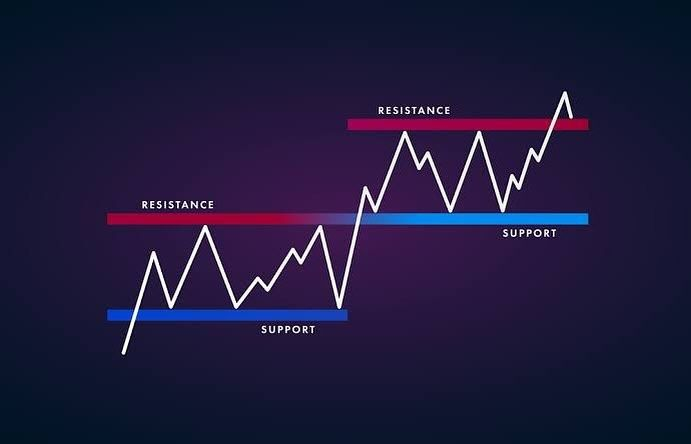
Support and resistance levels are key areas where price reacts repeatedly. Support is a zone where price tends to bounce upward, while resistance is where price tends to reverse downward. These levels help traders predict possible entry and exit points.
Step 3: Analyze Candlestick Patterns
Candlestick patterns provide valuable insights into market sentiment. Patterns like pin bars, engulfing candles, and doji candles help traders identify potential reversals or continuations. Each candle reflects the struggle between buyers and sellers.
Step 4: Wait for Confirmation
Patience is crucial in Price Action Trading Strategy. Traders should wait for confirmation before entering a trade. This could be a breakout, rejection candle, or trend continuation signal. Acting too early can lead to false signals.
Step 5: Execute Trade with Risk Management
Once a valid setup is confirmed, traders enter the trade with proper risk management. This includes setting stop-loss and take-profit levels. Risk management ensures long-term survival in trading.
Step 6: Monitor and Adjust
After entering a trade, it is important to monitor price movement. Traders may adjust stop-loss levels or exit early if market conditions change unexpectedly.
Benefits of Price Action Trading Strategy
- Easy to learn compared to indicator-heavy systems
- Works in all financial markets including forex and crypto
- Provides real-time market insights
- Helps improve trading discipline and psychology
- Reduces chart clutter and confusion
- Supports better risk management decisions
- Suitable for both short-term and long-term trading styles
- Used by professional traders worldwide
Disadvantages / Risks
- Requires practice and experience to master
- Can be subjective depending on trader interpretation
- False signals may occur in low-volume markets
- Requires patience and emotional control
- Not suitable for traders who prefer automated systems
- May take time to build confidence in decision-making
Common Mistakes to Avoid
Many traders fail with Price Action Trading Strategy due to avoidable mistakes. One common mistake is entering trades without confirmation. This often leads to losses because the market may not follow expected direction.
Another mistake is ignoring market structure. Trading against the trend reduces success rate significantly. Beginners often try to predict reversals too early instead of following momentum.
Overtrading is also a major issue. Taking too many trades without clear setups leads to emotional stress and poor performance.
Risk management mistakes, such as placing large lot sizes or ignoring stop-loss orders, can quickly wipe out trading accounts.
Lastly, relying on a single candlestick without context is another error. Price action should always be analyzed within the broader market structure for accuracy.
FAQs
1. What is Price Action Trading Strategy in simple words?
It is a trading method that uses price movement and candlestick patterns to make trading decisions instead of relying on indicators.
2. Is Price Action Trading Strategy suitable for beginners?
Yes, it is suitable for beginners because it is simple and helps understand market behavior clearly without complex tools.
3. Can I use Price Action Trading Strategy in forex trading?
Yes, it is widely used in forex trading and works effectively in all currency pairs.
4. Do I need indicators for Price Action Trading Strategy?
No, indicators are optional. Most traders prefer clean charts without indicators for better clarity.
5. How long does it take to master Price Action Trading Strategy?
It depends on practice and experience. With consistent learning, traders can improve within a few months.
6. What is the most important part of Price Action Trading Strategy?
Understanding market structure and support/resistance levels is the most important part.
Expert Tips & Bonus Points
Experienced traders recommend focusing on simplicity. Do not overload charts with unnecessary tools. Always trade with the trend rather than against it.
Keep a trading journal to track your performance and learn from mistakes. This helps improve consistency over time.
Risk management should always be a priority. Never risk more than a small percentage of your capital on a single trade.
Practice on demo accounts before using real money. This builds confidence and reduces emotional pressure.
Also, focus on quality trades rather than quantity. A few well-planned trades are better than many random entries.
Finally, patience is key. Waiting for the right setup is what separates successful traders from beginners.
Conclusion
Price Action Trading Strategy is one of the most powerful and practical trading methods available today. It allows traders to understand the market by simply analyzing price movements without depending heavily on indicators. This approach builds strong analytical skills and helps traders develop a deeper understanding of market psychology.
Throughout this guide, we explored what Price Action Trading Strategy is, why it is important, and how it can be applied step-by-step. We also discussed its benefits, risks, and common mistakes that traders should avoid. By following these principles, traders can improve their accuracy and decision-making process.
Success in trading does not come overnight. It requires discipline, patience, and continuous learning. Price Action Trading Strategy provides a strong foundation for building long-term trading skills. When combined with proper risk management and consistent practice, it can significantly improve trading results.
Whether you are just starting your trading journey or looking to refine your skills, mastering Price Action Trading Strategy can be a game-changer in achieving consistent performance in the financial markets.