
Introduction
Crypto and digital assets have transformed the way people think about money, ownership, and financial systems. Over the past decade, these technologies have moved from a niche concept to a global phenomenon, attracting investors, businesses, and everyday users. As more individuals explore online finance, understanding crypto and digital assets has become essential rather than optional.
At its core, crypto and digital assets refer to digital forms of value that exist on decentralized networks. Unlike traditional currencies issued by governments, these assets rely on blockchain technology, which ensures transparency, security, and independence from central authorities. This shift has opened up new opportunities for innovation, investment, and financial inclusion.
However, many beginners find the topic confusing due to technical jargon and rapidly evolving trends. Terms like blockchain, wallets, tokens, and decentralized finance can feel overwhelming at first. That is why a clear and structured explanation is necessary.
This guide is designed to simplify crypto and digital assets for beginners and intermediate learners. It will walk you through the basics, explain why they matter, and provide practical steps to get started. By the end, you will have a solid understanding and the confidence to explore this digital financial landscape responsibly.
What is Crypto and Digital Assets?
Crypto and digital assets are forms of value stored and transferred electronically using cryptographic techniques. The most well-known example is cryptocurrency, such as Bitcoin or Ethereum, but the category is much broader.
Digital assets include:
- Cryptocurrencies used as digital money
- Tokens representing assets or utilities
- Non-fungible tokens (NFTs) representing unique digital items
- Stablecoins tied to real-world currencies
These assets operate on blockchain networks, which are decentralized ledgers that record transactions securely and transparently. Each transaction is verified by a network of computers rather than a single authority.
A key feature of crypto and digital assets is decentralization. This means no central bank or institution controls the system. Instead, users have more control over their funds and transactions.
For example, sending cryptocurrency to someone does not require a bank. The transaction is processed directly on the blockchain, often faster and with lower fees.
In simple terms, crypto and digital assets represent a new form of digital ownership that is secure, transparent, and accessible worldwide.
Why is Crypto and Digital Assets Important?
Crypto and digital assets are important because they are reshaping global finance and digital ownership. They introduce new ways to transfer value, invest, and interact online.
One major advantage is financial inclusion. People without access to traditional banking can use crypto wallets to store and transfer funds. This is especially valuable in regions with limited financial infrastructure.
Another reason is transparency. Blockchain technology allows anyone to verify transactions, reducing fraud and increasing trust. Businesses and individuals can benefit from this level of openness.
Additionally, crypto and digital assets enable faster cross-border transactions. Traditional systems can take days and involve high fees, while blockchain transactions can be completed in minutes.
They also open doors to innovation. Concepts like decentralized finance (DeFi) and digital collectibles have created entirely new industries. Entrepreneurs and developers are building applications that were not possible before.
Finally, these assets provide investment opportunities. While they come with risks, many people see them as a way to diversify portfolios and participate in emerging technologies.
Detailed Step-by-Step Guide
Step 1: Understand the Basics
Before investing or using crypto and digital assets, take time to learn key concepts such as blockchain, wallets, and private keys. This foundation will help you avoid costly mistakes.
Step 2: Choose a Reliable Platform
Select a trusted cryptocurrency exchange to buy and sell assets. Look for platforms with strong security measures, good reputation, and user-friendly interfaces.
Step 3: Create a Digital Wallet
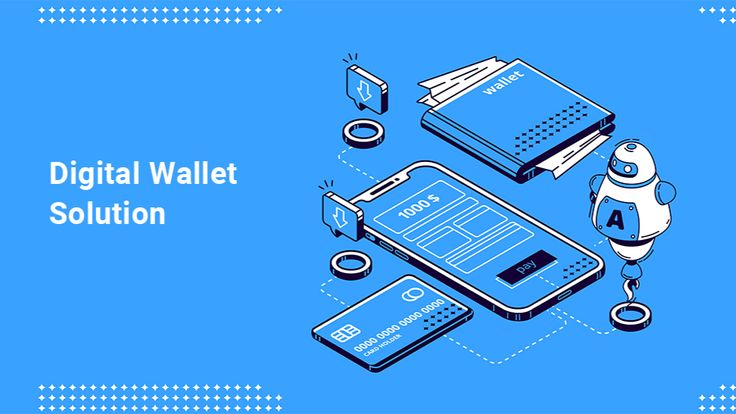
A wallet stores your crypto and digital assets. There are two main types:
- Hot wallets (online and convenient)
- Cold wallets (offline and more secure)
Choose based on your needs and security preferences.
Step 4: Buy Your First Asset
Start small by purchasing a well-known cryptocurrency. This helps you understand how transactions work without taking significant risks.
Step 5: Secure Your Investments
Protect your wallet with strong passwords and enable two-factor authentication. Never share your private keys with anyone.
Step 6: Learn About Different Assets
Explore various types of crypto and digital assets, including tokens and NFTs. Each has unique use cases and risks.
Step 7: Monitor and Manage
Track your investments regularly. Stay updated with market trends and adjust your strategy when necessary.
Benefits of Crypto and Digital Assets
- Decentralization reduces reliance on banks
- Fast and low-cost global transactions
- High level of transparency
- Accessibility for anyone with internet access
- Opportunities for innovation and investment
- Ownership and control over digital funds
Disadvantages / Risks
- High price volatility
- Security risks such as hacking
- Lack of regulation in some regions
- Complexity for beginners
- Potential for scams and fraud
- Irreversible transactions if mistakes occur
Common Mistakes to Avoid
One common mistake is investing without understanding the basics. Many beginners jump into crypto and digital assets due to hype, which often leads to losses.
Another mistake is ignoring security. Failing to protect private keys or using weak passwords can result in losing funds permanently.
Overtrading is also risky. Constant buying and selling based on short-term trends can lead to unnecessary losses and stress.
Many users also fall for scams. Fake projects and phishing attacks are common in the crypto space, so always verify sources before investing.
Lastly, putting all funds into one asset is not advisable. Diversification helps reduce risk and provides better long-term stability.
FAQs
What are crypto and digital assets in simple terms?
They are digital forms of money or value that exist online and use blockchain technology for secure transactions.
Is crypto legal?
The legality varies by country. Some countries fully support it, while others have restrictions. Always check local regulations.
How do I start investing?
Begin by learning the basics, choosing a reliable platform, and investing a small amount you can afford to lose.
Are crypto and digital assets safe?
They can be safe if proper security measures are followed. However, risks such as hacking and volatility still exist.
What is a blockchain?
A blockchain is a digital ledger that records transactions across a network of computers, ensuring transparency and security.
Can I lose money in crypto?
Yes, due to market volatility and risks. It is important to invest wisely and avoid emotional decisions.
Expert Tips & Bonus Points
Start with education rather than investment. Understanding crypto and digital assets will help you make smarter decisions.
Use hardware wallets for long-term storage. They provide an extra layer of security compared to online wallets.
Stay updated with market trends but avoid reacting impulsively. Patience is key in this space.
Diversify your portfolio by exploring different types of digital assets. This reduces overall risk.
Always double-check transaction details before sending funds. Mistakes cannot be reversed.
Finally, think long-term. Short-term fluctuations are common, but long-term strategies often yield better results.
Conclusion
Crypto and digital assets represent a major shift in how people interact with money and technology. They offer new possibilities for financial independence, innovation, and global connectivity. While the concept may seem complex at first, breaking it down into simple steps makes it easier to understand and navigate.
This guide has covered the fundamentals, from defining crypto and digital assets to explaining their importance and practical usage. It has also highlighted the benefits, risks, and common mistakes to avoid, ensuring a balanced perspective.
As you move forward, remember that knowledge and caution are your best tools. Start small, prioritize security, and continue learning. The digital financial world is evolving rapidly, and staying informed will help you adapt and succeed.
Ultimately, crypto and digital assets are not just a trend but a growing part of the global economy. By understanding them today, you position yourself for the opportunities of tomorrow.