


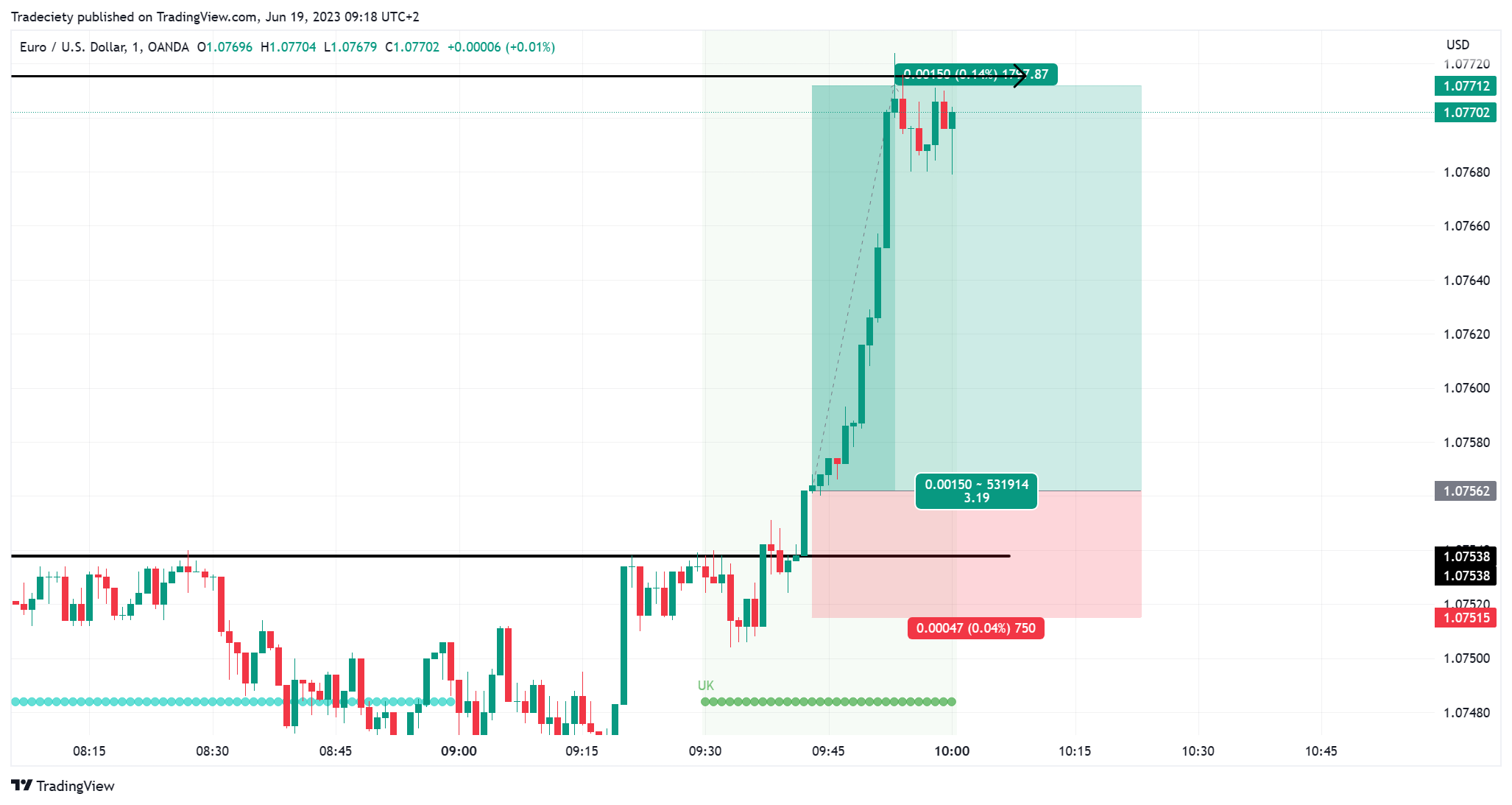
Trading is an integral part of the financial markets, allowing individuals and institutions to profit from price movements in assets such as stocks, commodities, currencies, and cryptocurrencies. However, successful trading does not happen by chance. It requires careful planning, disciplined execution, and well-defined strategies. In this article, we will explore different trading strategies, their advantages, disadvantages, and the key principles that traders should follow to achieve consistent results.
Understanding Trading Strategies
A trading strategy is a systematic approach to buying and selling financial instruments with the goal of generating profits. These strategies are based on thorough analysis, market patterns, and risk management principles. A strong trading strategy is essential because it removes emotional decision-making, provides structure, and helps traders stick to a plan even in volatile market conditions.
Trading strategies can be broadly categorized into two types: technical strategies and fundamental strategies. Some traders also use a combination of both approaches, known as a hybrid strategy, to gain a more comprehensive view of the market.
Technical Trading Strategies
Technical trading strategies rely on historical price data, charts, and indicators to predict future market movements. Traders use patterns, trend lines, support and resistance levels, and technical indicators such as moving averages, Relative Strength Index (RSI), and MACD to make informed decisions.
Trend Following Strategy
One of the most popular technical strategies is trend following. The concept is simple: identify the direction of the market trend and trade in the same direction. Traders buy when the market is in an uptrend and sell when it is in a downtrend. Trend following works best in markets with strong, sustained movements. The key advantage is that it allows traders to ride the trend for maximum profit, but the disadvantage is that it may produce false signals in sideways or choppy markets.
Momentum Trading
Momentum trading focuses on stocks or assets that are moving strongly in one direction with high volume. Traders aim to capitalize on short-term price swings by entering trades when momentum is high and exiting when it starts to fade. This strategy requires quick decision-making and close monitoring of market conditions. While momentum trading can lead to fast profits, it also carries higher risks due to sudden reversals.
Swing Trading
Swing trading involves capturing medium-term price movements over a few days to several weeks. Traders analyze charts to identify potential reversal points or trend continuations and hold positions until their target is reached. Swing trading is less stressful than day trading because it does not require constant monitoring of the market. It allows traders to take advantage of market fluctuations while balancing time and effort.
Fundamental Trading Strategies
Fundamental trading strategies focus on the underlying economic, financial, or industry factors that affect the value of an asset. Traders using this approach study earnings reports, economic data, geopolitical events, and market news to make decisions.
Value Investing
Value investing involves identifying undervalued assets and buying them with the expectation that their true value will eventually be recognized by the market. Traders look for stocks or commodities that are trading below their intrinsic value based on metrics like price-to-earnings ratio, book value, or dividend yield. This strategy requires patience and long-term thinking but can lead to substantial returns if the assets appreciate over time.
Growth Investing
Growth investing targets assets that have strong potential for future growth. Traders seek companies with high revenue and earnings growth, innovative products, or dominant market positions. While growth investing can produce significant gains, it often comes with higher volatility and requires careful risk management.
News-Based Trading
News-based trading involves making trading decisions based on current events, economic reports, or announcements. Traders react quickly to news that can impact asset prices, such as central bank decisions, earnings releases, or geopolitical developments. This strategy demands a fast response time and the ability to interpret news accurately to avoid losses from sudden market swings.
Risk Management in Trading
No trading strategy is complete without risk management. Even the best strategies can lead to losses if risk is not controlled. Key principles of risk management include:
- Setting Stop-Loss Orders – A stop-loss order automatically closes a trade at a predetermined price to limit losses.
- Position Sizing – Determining the size of each trade based on risk tolerance and account size helps prevent catastrophic losses.
- Diversification – Spreading investments across different assets or markets reduces the impact of a single losing trade.
- Maintaining Discipline – Sticking to your trading plan, avoiding impulsive decisions, and controlling emotions are critical for long-term success.
Choosing the Right Trading Strategy
Selecting the right trading strategy depends on individual goals, risk tolerance, market knowledge, and available time.
- Day trading suits individuals who can monitor the market constantly and seek short-term profits.
- Swing trading is ideal for those who prefer medium-term opportunities without daily involvement.
- Position trading or investing works well for long-term investors who focus on fundamental value rather than short-term fluctuations.
It is important for traders to test strategies on demo accounts or through paper trading before committing real capital. This allows them to understand the strategy’s strengths and weaknesses without risking money.
Common Mistakes to Avoid
Even experienced traders make mistakes. Some common pitfalls include:
- Overtrading – Entering too many trades without a clear strategy.
- Ignoring Risk Management – Failing to set stop-losses or miscalculating position sizes.
- Chasing Losses – Trying to recover losses quickly, leading to emotional and reckless trading.
- Lack of Research – Making trades without analyzing technical or fundamental data.
Avoiding these mistakes requires discipline, patience, and continuous learning.
Conclusion
Trading strategies are essential tools for navigating the complex world of financial markets. Whether using technical, fundamental, or hybrid approaches, the key to success lies in research, discipline, and effective risk management. Understanding your personal trading style, testing strategies, and learning from both successes and failures can transform trading from a risky endeavor into a consistent and profitable activity.
With the right strategy and mindset, traders can seize opportunities, minimize losses, and build a sustainable approach to wealth creation in the markets.
