


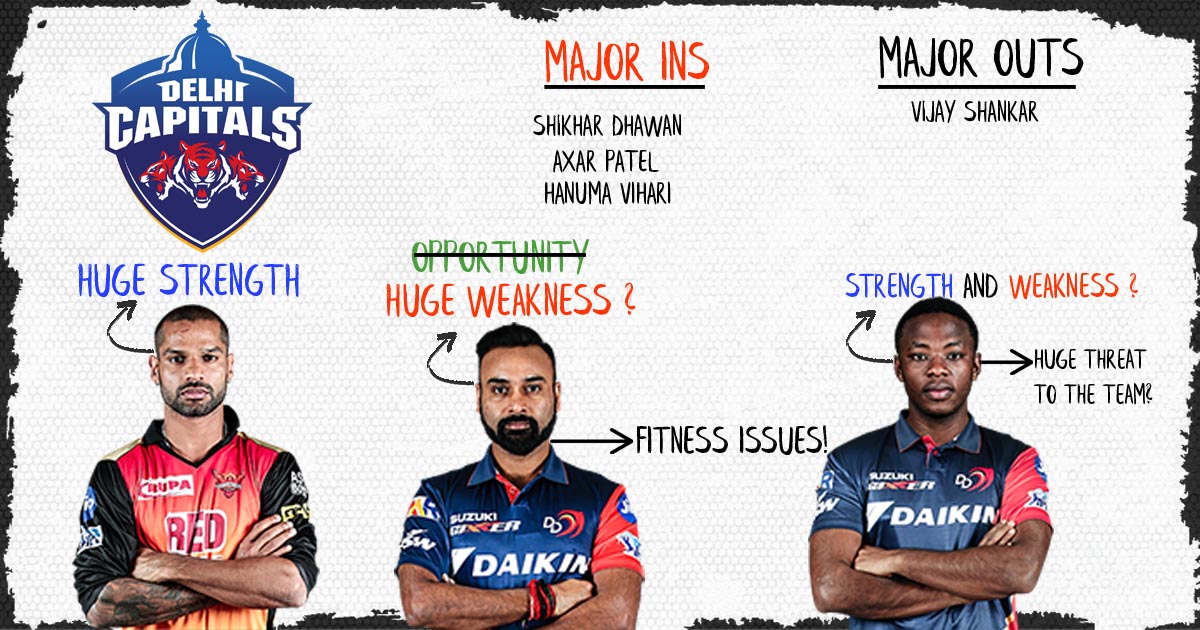
In the modern world of competitive sports, understanding performance, strategy, and long-term planning is essential. One of the most effective tools used in both business and sports management is the SWOT Analysis. This structured method helps teams evaluate their Strengths, Weaknesses, Opportunities, and Threats. When applied to cricket teams—whether at national, domestic, or club level—a SWOT Analysis provides clear insights into how players are performing, what challenges they face, and how they can improve their competitive edge.
Cricket has evolved into a highly strategic and analytical sport. Teams no longer rely only on natural talent; they use data, planning, and performance assessments to stay ahead. A SWOT Analysis helps coaches, management, and even players understand where they stand and how they can push forward. In this article, we will explore how a SWOT Analysis works, how it applies to cricket teams, and why it is a valuable tool for continuous improvement.
Understanding the SWOT Analysis Framework
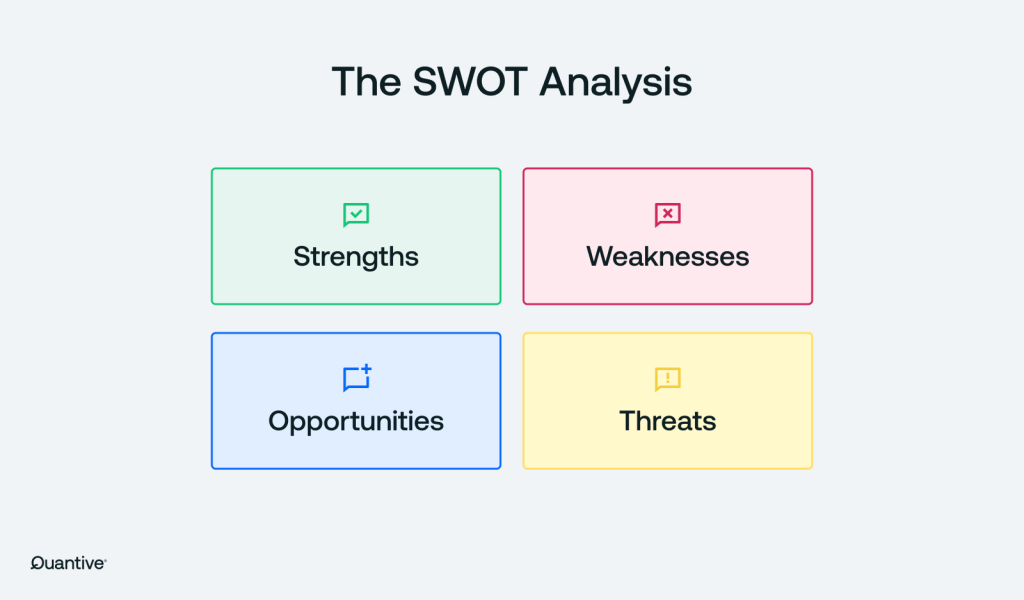
A SWOT Analysis breaks down into four key categories:
- Strengths – Internal positive qualities or advantages a team or player has.
- Weaknesses – Internal factors that limit performance or create challenges.
- Opportunities – External chances for growth, improvement, or competitive advantage.
- Threats – External factors that could harm performance, ranking, or long-term success.
Each part of the SWOT Analysis gives a different perspective, and when combined, the results help in forming practical strategies for better performance.
SWOT Analysis of a Cricket Team
Below is a detailed example of how a cricket team can be evaluated using SWOT Analysis.
1. Strengths
Strengths are the internal qualities that give the team an advantage. In cricket, these strengths may relate to player skills, team combination, coaching quality, or mental toughness.
Strong Batting Line-Up
A cricket team with experienced openers, dependable middle-order batsmen, and explosive finishers has a powerful batting foundation. Such a line-up helps the team chase big totals or set high targets, increasing the chances of winning matches.
Balanced Bowling Attack
Teams with quality fast bowlers, skilled spinners, and all-rounders gain a strategic advantage. A well-balanced bowling attack can adapt to different pitch conditions and restrict the opposition effectively.
Exceptional Fielding Standards
Modern cricket places enormous importance on athletic fielding. Teams that excel in catching, ground fielding, and throwing put pressure on opponents and create match-changing moments.
Strong Leadership and Team Spirit
A captain who understands tactics, motivates players, and stays calm under pressure is a major asset. Positive team culture also contributes to confidence and stable performance.
Depth in the Squad
Teams with multiple backup players who can replace injured or out-of-form teammates have greater stability. Squad depth is especially important in long tournaments.
2. Weaknesses
Weaknesses are the internal factors that limit a team’s performance. Identifying weaknesses honestly is essential for improvement.
Inconsistent Middle Order
Even if the team has strong openers, an unstable middle order can lead to collapses. This inconsistency often becomes a major weakness, especially in pressure situations.
Lack of Quality Spin or Pace Options
A one-dimensional bowling attack limits flexibility. If a team does not have reliable spinners or experienced fast bowlers, they struggle on different surfaces.
Poor Fitness Levels
In modern cricket, fitness is as important as skill. Teams with players who lack agility, stamina, or physical conditioning often face injuries and weak fielding.
Dependence on a Few Key Players
If a team relies too heavily on one star batsman or bowler, opponents easily target this weakness. Balance across the squad is necessary for long-term success.
Weak Mental Strength Under Pressure
Some teams struggle during tight run chases or when defending low totals. Poor decision-making in crucial moments can cost important matches.
3. Opportunities
Opportunities are external factors that the team or players can use to their advantage.
Emerging Young Talent
Domestic leagues and training academies often produce young cricketers with fresh energy and innovative skills. Giving them opportunities can strengthen the future prospects of the team.
Technology and Data Analysis
Modern cricket uses video analysis, performance tracking, and fitness monitoring. Teams that invest in analytics gain deeper strategic insights and improve player performance.
Improving Coaching Structures
Hiring specialized batting, bowling, and fielding coaches provides professional expertise. Exposure to sports psychologists and nutritionists also enhances overall performance.
International Exposure
Playing foreign tours or participating in international leagues trains players to perform in different pitch conditions, climates, and atmospheres.
Tactical Innovation
Trying new strategies—like flexible batting orders, powerplay planning, or death-overs tactics—can give the team a competitive edge.
4. Threats
Threats are external factors that could negatively impact the team.
Strong Opponents
Facing world-class teams with highly skilled players is always a challenge. Consistent competition from strong opponents may push a team down in rankings.
Injury Risks
Injuries to key players, especially during major tournaments, can destabilize team performance. Workload management becomes crucial in such situations.
Changing Pitch and Weather Conditions
Some teams struggle on spinning tracks, seaming pitches, or slow surfaces. Adapting to different conditions is necessary for success.
Media Pressure and Public Expectations
In cricket-loving nations, media criticism and fan expectations can create psychological pressure. This affects player confidence and overall team morale.
Frequent Schedule and Player Fatigue
With busy cricket calendars, excessive travel and continuous matches lead to physical and mental fatigue, which reduces performance.
Why SWOT Analysis Is Important for Cricket Teams
The SWOT Analysis is not just an academic tool—it is a practical method used by professional teams, coaches, and analysts. It provides:
1. Clear Understanding of Team Potential
Coaches can make strategic decisions based on real strengths and weaknesses instead of assumptions.
2. Better Selection Decisions
Teams can select players according to the needs identified through SWOT, such as improving fielding or strengthening the middle order.
3. Long-Term Planning
Management can develop training programs, invest in fitness, or focus on new talent based on the analysis.
4. Improved Match Strategies
Understanding threats and opportunities allows teams to plan against different opponents and varied match conditions.
5. Player Development
Individual players also benefit from personal SWOT Analysis to understand where they need improvement.
Conclusion
A SWOT Analysis is a powerful tool for cricket teams looking to improve performance, build long-term strategies, and understand both internal and external factors affecting their success. Whether it’s strengthening batting depth, improving fielding, managing injuries, or adapting to new playing conditions, SWOT Analysis provides a clear roadmap. In the fast-changing world of cricket, where players are constantly being tested, this method helps ensure that teams stay competitive, confident, and prepared for every challenge.
