


Risk management is a crucial aspect of both business and personal decision-making. In simple terms, risk management involves identifying, assessing, and prioritizing risks, followed by coordinated efforts to minimize, monitor, and control the probability or impact of unfortunate events. Every organization, whether small or large, faces uncertainties that can affect its operations, reputation, and financial stability. Proper risk management ensures that these uncertainties are handled effectively, allowing organizations to achieve their objectives with confidence.
Importance of Risk Management
The importance of risk management cannot be overstated. Without a structured approach to handling risks, organizations may face severe consequences, including financial losses, operational disruptions, legal liabilities, and reputational damage. Effective risk management helps organizations anticipate potential threats, make informed decisions, and develop strategies to mitigate those threats before they escalate. It also provides a sense of security to stakeholders, including employees, investors, and customers, showing that the organization is proactive and responsible.
Risk management is not only essential for businesses but also for individuals. Personal risk management involves identifying potential risks in everyday life, such as health risks, financial risks, or safety concerns, and taking steps to minimize their impact. By applying risk management principles, individuals can make better financial decisions, prepare for emergencies, and protect their overall well-being.
Key Steps in Risk Management
Risk management is a structured process that typically involves several key steps:
1. Risk Identification
The first step in risk management is identifying potential risks. This involves examining all aspects of a project, business process, or personal situation to determine what could go wrong. Risks can be internal, such as operational inefficiencies, or external, such as natural disasters or economic fluctuations. Tools like brainstorming, checklists, and historical data analysis are commonly used to identify risks.
2. Risk Assessment
Once risks are identified, the next step is to assess them. Risk assessment involves analyzing the likelihood of each risk occurring and the potential impact it could have. This helps prioritize risks, ensuring that the most significant threats receive the most attention. Organizations often use qualitative and quantitative methods for risk assessment, including risk matrices, probability analysis, and scenario planning.
3. Risk Mitigation
After assessing risks, the next step is to develop strategies to mitigate them. Risk mitigation involves taking proactive measures to reduce either the probability of a risk occurring or its impact. This can include implementing safety protocols, diversifying investments, creating contingency plans, or purchasing insurance. Effective risk mitigation ensures that risks are manageable and do not disrupt operations or personal goals.
4. Risk Monitoring and Review
Risk management is an ongoing process. Risks evolve over time, and new risks may emerge. Continuous monitoring and review are essential to ensure that risk management strategies remain effective. Regular audits, performance reviews, and feedback mechanisms help organizations and individuals stay prepared and adjust their plans as needed.
Types of Risks
Understanding the different types of risks is essential for effective risk management. Common types of risks include:
- Operational Risks: Risks arising from internal processes, systems, or human errors.
- Financial Risks: Risks related to financial losses, market fluctuations, or credit issues.
- Strategic Risks: Risks linked to business decisions, competition, or market changes.
- Compliance Risks: Risks associated with legal and regulatory requirements.
- Reputational Risks: Risks that could damage an organization’s image or public perception.
- Environmental Risks: Risks arising from natural disasters, climate change, or other environmental factors.
Each type of risk requires a tailored approach in risk management to ensure that it is effectively controlled.
Benefits of Risk Management
Implementing a robust risk management system offers numerous benefits:
- Improved Decision-Making: By understanding potential risks, organizations and individuals can make more informed decisions.
- Enhanced Safety and Security: Proper risk management minimizes the likelihood of accidents, losses, or other negative outcomes.
- Financial Stability: Identifying and mitigating financial risks helps maintain economic stability.
- Regulatory Compliance: Risk management ensures adherence to laws and regulations, reducing legal liabilities.
- Reputation Protection: Proactively addressing risks safeguards the reputation of businesses and individuals.
- Business Continuity: Risk management strategies, such as disaster recovery plans, help ensure that operations continue smoothly even during crises.
Risk Management Strategies
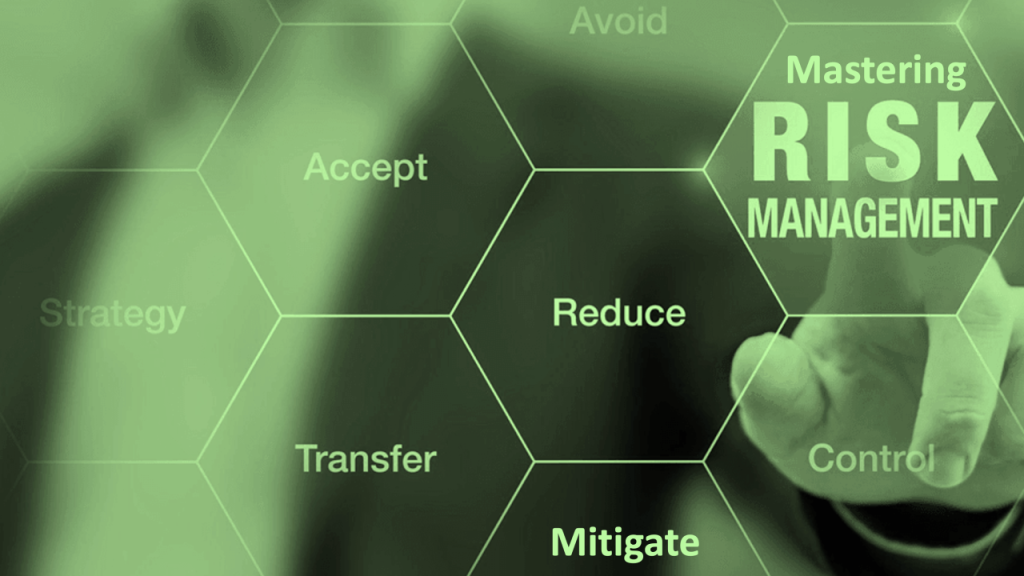
There are several strategies for managing risk effectively:
- Risk Avoidance: Choosing not to engage in activities that carry significant risks.
- Risk Reduction: Implementing measures to reduce the likelihood or impact of risks.
- Risk Sharing: Transferring risk to another party, such as through insurance or partnerships.
- Risk Retention: Accepting certain risks when the cost of mitigation is higher than the potential loss.
An effective risk management strategy often combines multiple approaches depending on the nature and severity of the risks.
Risk Management in Business
In business, risk management is essential for sustainable growth and long-term success. Companies face numerous risks, including market volatility, supply chain disruptions, cybersecurity threats, and regulatory changes. By adopting a proactive approach to risk management, businesses can safeguard assets, protect employees, maintain customer trust, and stay competitive in the marketplace. Many organizations establish dedicated risk management departments to systematically identify, assess, and address risks across all operations.
Risk Management in Personal Life
Risk management is equally relevant in personal life. Individuals can apply risk management principles to financial planning, health, and personal safety. For example, diversifying investments reduces financial risk, maintaining a healthy lifestyle mitigates health risks, and having emergency plans ensures safety during unforeseen events. Practicing personal risk management fosters resilience and preparedness, allowing individuals to navigate challenges with confidence.
Challenges in Risk Management
Despite its importance, risk management is not without challenges. Some common obstacles include:
- Uncertainty: Not all risks can be predicted or quantified accurately.
- Resource Constraints: Implementing risk management strategies may require significant time, money, and expertise.
- Complexity: Risks can be interconnected, making it difficult to address them individually.
- Resistance to Change: Organizations and individuals may resist adopting risk management practices due to perceived inconvenience or cost.
Overcoming these challenges requires commitment, proper planning, and continuous improvement of risk management practices.
Conclusion
Risk management is a vital process that helps organizations and individuals navigate uncertainty effectively. By identifying, assessing, mitigating, and monitoring risks, one can minimize potential losses and enhance overall stability and growth. Whether in business or personal life, risk management provides a structured framework for making informed decisions, safeguarding assets, and preparing for the unexpected. In today’s fast-paced and unpredictable world, practicing effective risk management is not just an option—it is a necessity.
