


Monetary policy is one of the most powerful instruments a government or central bank uses to guide the economic direction of a country. Whether an economy is facing high inflation, slowing growth, rising unemployment, or financial instability, monetary policy plays a central role in shaping outcomes. Despite being discussed widely by economists, policymakers, and financial analysts, it affects the daily lives of ordinary people as well—sometimes in ways they may not fully realize. From loan interest rates to job opportunities, the impact of monetary policy is everywhere.
In simple terms, monetary policy refers to the actions taken by a nation’s central bank to manage the money supply, regulate interest rates, and ensure economic stability. While that definition may sound technical, the concept becomes clearer when we dive deeper into its goals and mechanisms.
Goals of Monetary Policy
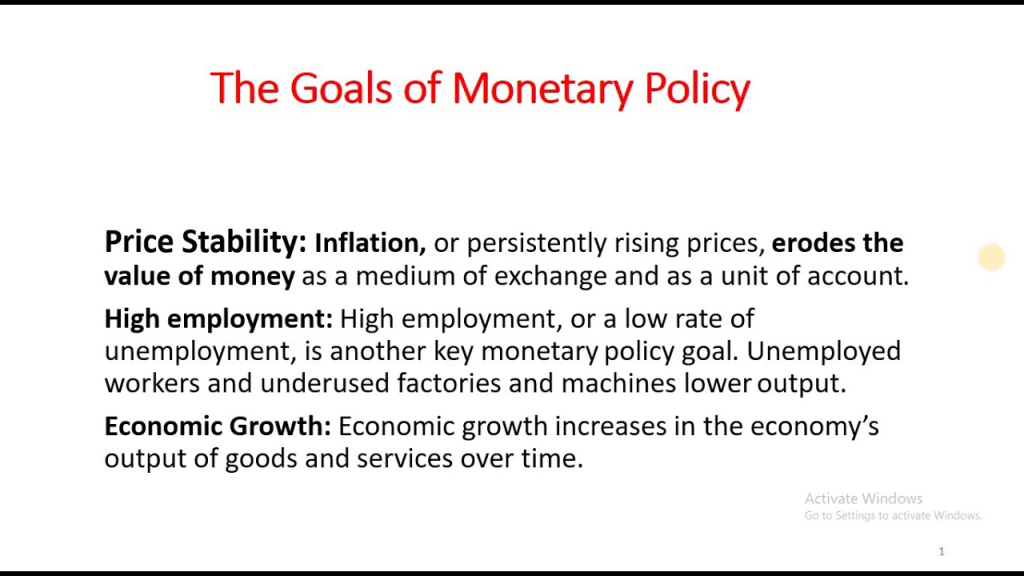
Central banks adopt monetary policy to achieve several major objectives. These are considered essential for maintaining a stable and healthy economic environment.
1. Controlling Inflation
Inflation refers to the rise in prices of goods and services over time. While mild inflation is normal in a growing economy, high inflation can reduce purchasing power and create uncertainty. Through monetary policy, central banks influence the supply of money and the price of borrowing to keep inflation at a desired level. Most modern economies target moderate inflation rather than zero inflation.
2. Promoting Employment
Another important goal of monetary policy is to support job creation and reduce unemployment. When the central bank adjusts interest rates or expands money supply, it can influence the pace at which businesses invest, hire workers, and expand production.
3. Ensuring Financial Stability
A stable financial system is crucial for economic confidence. Central banks work to prevent financial crises, banking failures, or excessive speculation. Monetary policy helps maintain orderly financial conditions so people can borrow, invest, and conduct business with confidence.
4. Supporting Sustainable Economic Growth
Economic growth that is too fast may lead to inflation, while growth that is too slow may cause unemployment. Monetary policy aims to strike a balance, guiding the economy toward long-term stability and prosperity.
Types of Monetary Policy
There are two primary types of monetary policy: expansionary and contractionary. Each type serves different economic conditions.
1. Expansionary Monetary Policy
When the economy slows down, unemployment rises, or there is a risk of recession, the central bank uses expansionary monetary policy. This involves lowering interest rates, increasing the money supply, or purchasing government securities.
How expansionary policy helps:
- Cheaper borrowing encourages businesses and consumers to spend.
- Investment increases as loans become more affordable.
- Economic activity picks up, helping reduce unemployment.
This type of policy is commonly used during economic downturns.
2. Contractionary Monetary Policy
When inflation is rising too quickly, the central bank may adopt contractionary monetary policy. This involves raising interest rates, reducing the money supply, or selling government securities.
How contractionary policy helps:
- Higher borrowing costs reduce excessive spending.
- Slower demand helps bring down inflation.
- The economy moves toward stable growth.
This approach is used when the economy is overheating or when prices are climbing too fast.
Key Tools of Monetary Policy
Central banks have several tools at their disposal to implement monetary policy effectively. The most common ones include:
1. Interest Rate Adjustments
This is the most widely recognized tool. By raising or lowering policy interest rates, the central bank influences borrowing costs across the entire economy. Lower rates encourage borrowing and spending, while higher rates discourage excessive credit growth.
2. Open Market Operations
The central bank buys or sells government securities in the financial markets to manage liquidity.
- Buying securities injects money into the banking system, increasing the money supply.
- Selling securities withdraws money and decreases the supply.
This tool helps control short-term interest rates and overall financial conditions.
3. Reserve Requirements
Banks are required to keep a certain percentage of their deposits as reserves. If the central bank lowers reserve requirements, banks can lend more freely, expanding the money supply. If requirements rise, lending decreases, slowing economic activity.
4. Quantitative Easing (QE)
When traditional tools are not enough—especially during deep recessions—central banks may use quantitative easing. This involves buying large amounts of financial assets to inject liquidity, reduce long-term interest rates, and encourage lending.
How Monetary Policy Affects Everyday Life
Though monetary policy operates behind the scenes, its effects are felt in many daily decisions.
1. Loan Interest Rates
Whether someone is buying a home, financing a car, or applying for a business loan, interest rates make a huge difference. When the central bank lowers rates, borrowing becomes cheaper. When rates rise, it becomes more expensive.
2. Savings and Investments
Monetary policy influences returns on savings accounts, bonds, and other investment instruments. Low interest rates may reduce returns on savings but can boost stock markets as investors seek higher returns elsewhere.
3. Jobs and Income
By encouraging economic activity, expansionary monetary policy can help create more job opportunities. Conversely, contractionary policy may slow hiring when inflation is a threat.
4. Cost of Goods and Services
Since monetary policy aims to control inflation, it directly affects the prices of food, fuel, clothing, and household items.
Challenges of Implementing Monetary Policy
Monetary policy is powerful, but it is not perfect. Several challenges make its implementation complex and sometimes unpredictable.
1. Time Lags
It takes time for policy changes to influence the real economy. For example, lowering interest rates may take months before businesses respond by borrowing or investing.
2. External Shocks
Global factors such as oil prices, geopolitical tensions, or financial crises can affect the economy in ways monetary policy cannot control.
3. Balance Between Growth and Inflation
Striking the right balance is difficult. Too much stimulus can cause inflation; too little can lead to stagnation.
4. Coordination with Fiscal Policy
Government spending and tax policy also influence the economy. If monetary and fiscal policies are not aligned, their effectiveness may be reduced.
Conclusion
Monetary policy is a cornerstone of modern economic management. It influences inflation, employment, growth, financial stability, and everyday life in profound ways. By adjusting interest rates, controlling the money supply, and using other financial tools, central banks aim to keep the economy stable and healthy. Although monetary policy has limitations and challenges, it remains one of the most essential mechanisms for guiding economic direction. Understanding how it works helps individuals, businesses, and governments make informed decisions in an increasingly interconnected global economy.
