


Market segmentation is one of the most powerful strategies in modern marketing. It helps businesses understand their audience, craft targeted messages, and deliver products that match customer needs. Instead of treating all consumers as one large group, market segmentation divides them into smaller, more meaningful categories. This allows companies to communicate more effectively and improve sales performance.
Whether you run a small business or a global brand, segmentation is essential to achieving sustainable growth. In this article, we will explore what market segmentation is, why it matters, its major types, and how businesses can use it to build successful marketing strategies.
What Is Market Segmentation?
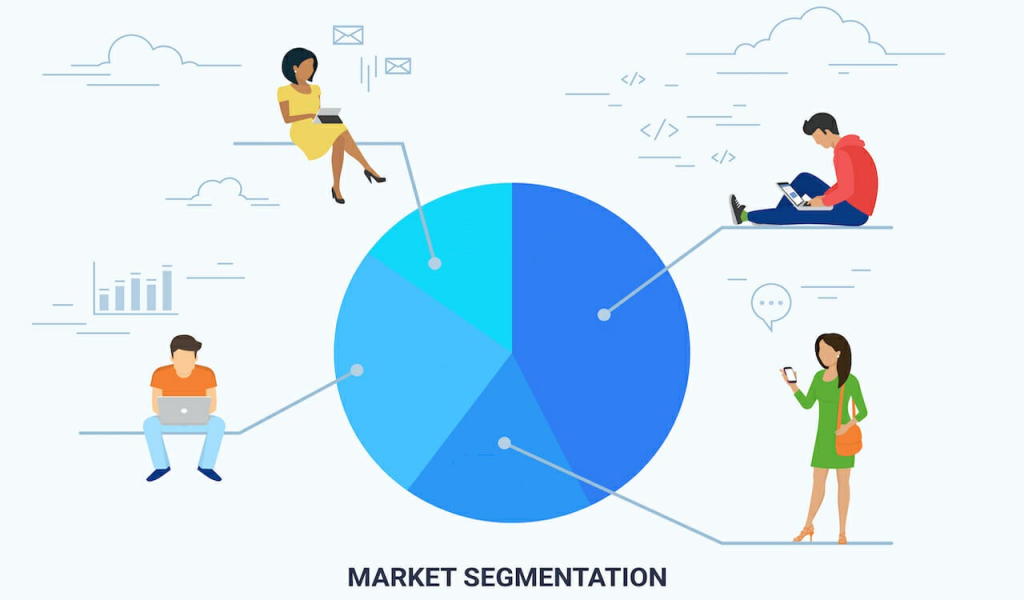
Market segmentation is the process of dividing a broad target market into smaller groups based on shared characteristics. These characteristics can be demographic, geographic, psychographic, or behavioral. Each group, or segment, consists of consumers who respond similarly to marketing strategies.
Segmentation allows brands to understand:
- Who their customers are
- What they want
- How they behave
- What influences their purchase decisions
Instead of using one general marketing approach, segmentation helps businesses create customized messages that resonate with specific customer groups.
Why Is Market Segmentation Important?
Market segmentation offers several advantages that can significantly improve marketing effectiveness:
1. Better Customer Understanding
By dividing customers into segments, businesses gain deeper insights into their needs, preferences, and motivations. This helps brands create products and campaigns that match customer expectations.
2. Targeted Marketing Strategies
Segmentation eliminates guesswork. Instead of promoting the same message to everyone, businesses can focus on specific groups. Targeted marketing reduces advertising waste and increases relevance.
3. Improved Customer Satisfaction
When businesses deliver personalized experiences, customers feel understood. This leads to higher satisfaction, stronger relationships, and increased loyalty.
4. Efficient Use of Resources
Marketing budgets are limited, so efficiency matters. With segmentation, companies avoid spending money on audiences unlikely to convert.
5. Increased Sales and Profitability
Targeted marketing leads to better engagement, more conversions, and higher profitability. Customers are more likely to buy when they see products tailored to their needs.
Major Types of Market Segmentation
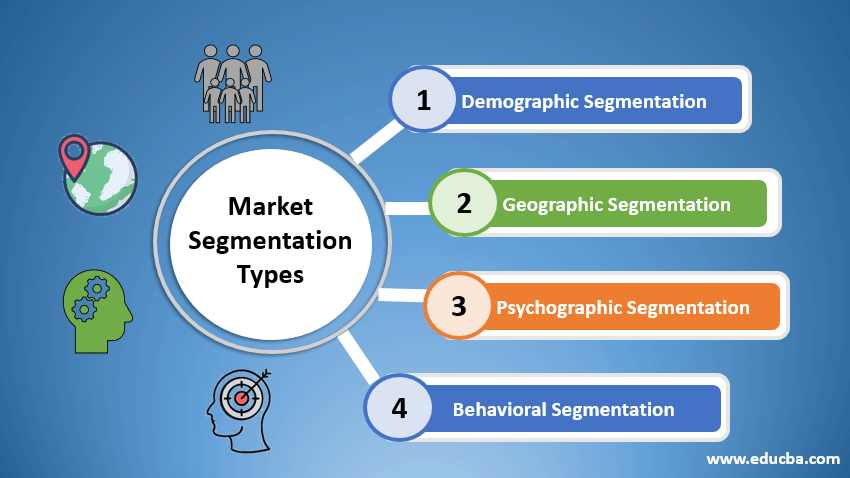
There are four primary types of market segmentation. Understanding each one helps businesses create powerful marketing strategies.
1. Demographic Segmentation
Demographic segmentation divides the market based on measurable population characteristics. It is one of the most widely used forms of segmentation because demographic data is easy to collect.
Common demographic factors include:
- Age
- Gender
- Income level
- Education
- Occupation
- Marital status
- Family size
For example, a company selling luxury watches may target high-income professionals between ages 30 and 50. Demographic segmentation helps marketers understand who the customer is.
2. Geographic Segmentation
Geographic segmentation divides customers based on their location. Consumer needs often vary depending on where they live.
Common geographic factors include:
- Country
- Region
- City
- Climate
- Population density (urban, rural)
For example, winter clothing brands focus their marketing on colder regions, while beachwear brands may target coastal areas.
Geographic segmentation is especially useful for global companies because consumer preferences differ across countries and cultures.
3. Psychographic Segmentation
Psychographic segmentation focuses on internal characteristics, such as personality, lifestyle, interests, values, and attitudes. It helps marketers understand why consumers behave the way they do.
Common psychographic factors include:
- Lifestyle (active, luxury-focused, family-oriented)
- Personality traits (introverted, adventurous)
- Values (environmental awareness, health consciousness)
- Social class
For example, fitness brands often target health-conscious individuals who value active living. Psychographic segmentation leads to deeper emotional connections with customers.
4. Behavioral Segmentation
Behavioral segmentation divides customers based on how they interact with a brand or product. It reveals patterns in consumer behavior.
Common behavioral factors include:
- Purchase frequency
- Brand loyalty
- Product usage
- Benefits sought
- Occasions (holiday shopping, events)
For example, a coffee brand may target daily coffee drinkers differently from occasional buyers. Behavioral segmentation helps companies design strategies that match real customer behavior.
How to Implement Market Segmentation
Implementing market segmentation requires careful research and planning. Here are the key steps:
1. Conduct Market Research
Gather data through surveys, interviews, analytics, and customer feedback. Understand basic characteristics and purchasing behaviors.
2. Identify Key Segmentation Criteria
Choose demographic, geographic, psychographic, or behavioral factors based on your product and market goals.
3. Create Customer Profiles
Develop detailed buyer personas that represent each segment. Include information about lifestyle, motivations, needs, and challenges.
4. Evaluate Segment Attractiveness
Not all segments offer equal value. Consider size, growth potential, purchasing power, and competition.
5. Select Target Segments
Choose the segments that align with your business goals and offer the best opportunities.
6. Customize Marketing Strategies
Design tailored messages, product features, pricing, and promotional plans for each target segment.
7. Monitor and Adjust
Market conditions change. Review your segmentation results regularly and adjust strategies accordingly.
Real-World Examples of Market Segmentation
Many companies use segmentation to build strong brands and boost profits:
- Automobile companies segment customers by income, lifestyle, and preferences. Luxury car brands target high-income professionals, while budget cars target middle-class families.
- Cosmetic brands often use demographic segmentation to target women of different age groups with specialized skincare products.
- Streaming services use behavioral segmentation to recommend personalized content based on viewing habits.
These examples show how segmentation creates personalized experiences that drive customer satisfaction.
Benefits of Strong Market Segmentation
Effective segmentation offers long-term advantages:
1. Clearer Marketing Messages
When marketers know their audience, they craft messages that speak directly to customer needs.
2. Higher Competitive Advantage
Businesses that understand their customers deeply can stand out from competitors.
3. Improved Product Development
Segmentation guides product design, ensuring that new features meet specific customer demands.
4. Enhanced Customer Loyalty
Personalized marketing builds trust and long-term relationships.
5. Better Pricing Strategies
Different segments may be willing to pay different prices. Segmentation helps businesses choose the right pricing model.
Challenges in Market Segmentation
Despite its benefits, segmentation also has challenges:
- Collecting accurate data can be difficult
- Some segments may be too small to target profitably
- Customer behaviors can change quickly
- Over-segmentation may increase marketing costs
The key is finding a balance between personalization and practicality.
Conclusion
Market segmentation is a vital strategy for businesses that want to connect with customers more effectively. By dividing the market into smaller, meaningful groups, companies can create targeted campaigns, deliver better experiences, and improve overall profitability.
Whether you are promoting a new product, expanding your customer base, or refining your marketing approach, segmentation helps you make smarter decisions. Understanding your customers is the foundation of successful marketing—and market segmentation is the tool that makes it possible.
