


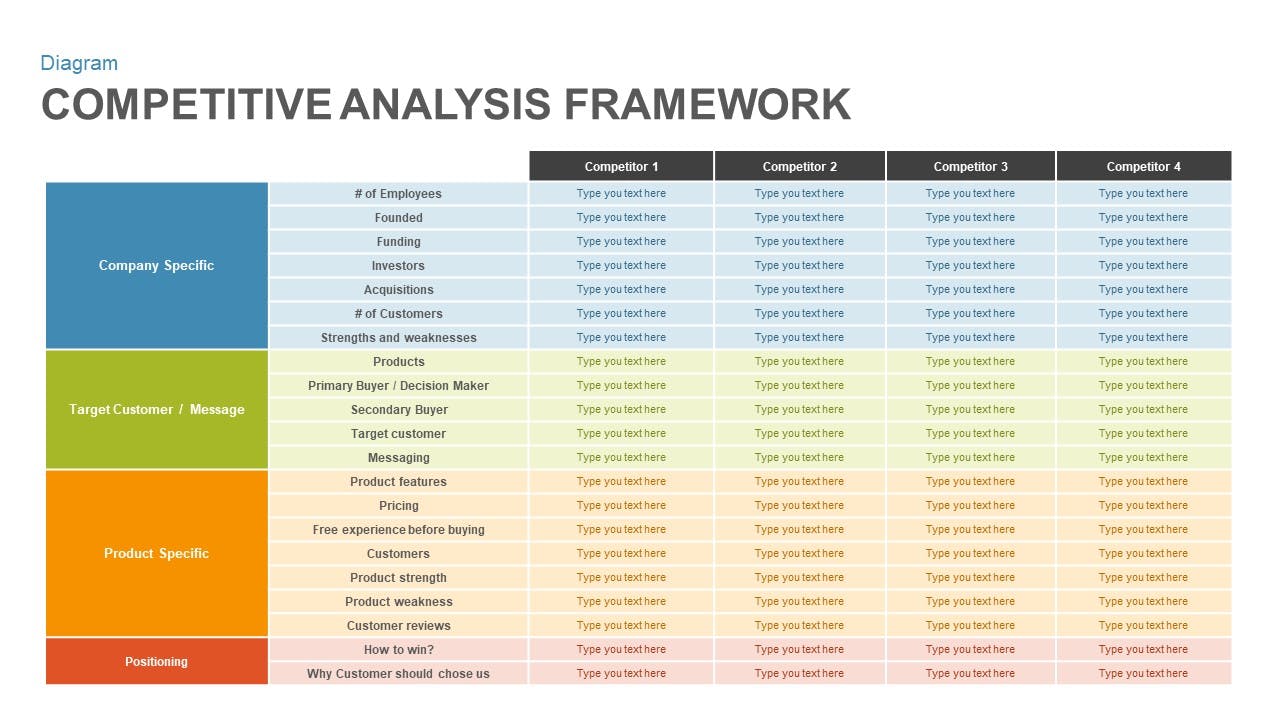
In today’s fast-paced business environment, understanding your competition is no longer optional—it is essential. Competitive analysis allows businesses to identify their strengths, weaknesses, opportunities, and threats relative to other players in the market. By carefully examining competitors, companies can make strategic decisions, improve products, refine marketing strategies, and ultimately increase their market share. This article explores the concept of competitive analysis, its benefits, methodologies, and how it can help businesses thrive in a dynamic marketplace.
What is Competitive Analysis?
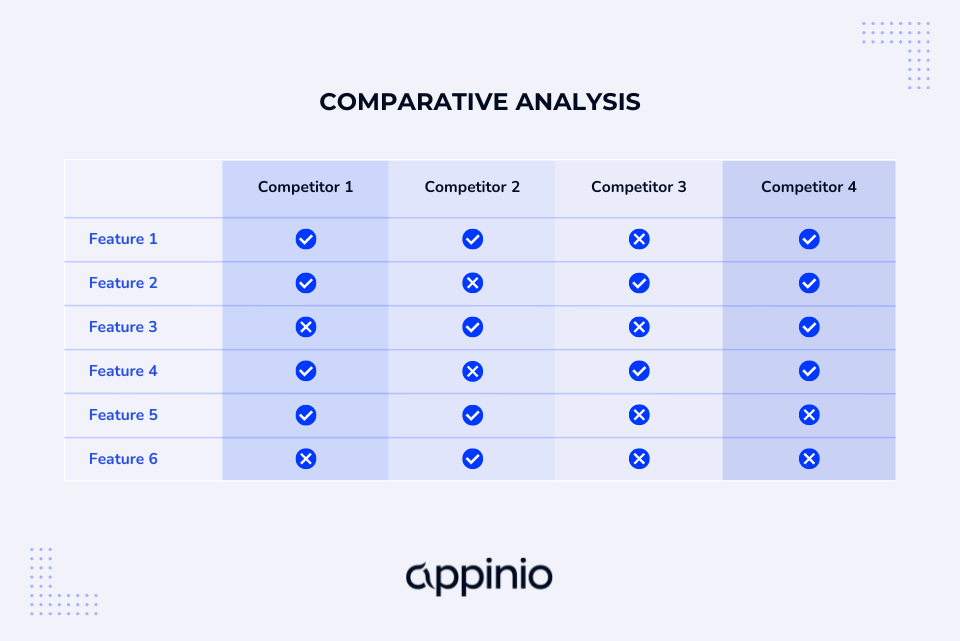
Competitive analysis is a systematic approach to evaluating your competitors’ strategies, strengths, weaknesses, products, pricing, marketing techniques, and overall market presence. The goal is to gain insights that help your business develop strategies that provide a competitive edge. Essentially, it is about understanding what others in your industry are doing and using that knowledge to improve your own business performance.
Unlike simple market research, which focuses on customer needs and preferences, competitive analysis is specifically concerned with your rivals. It provides an understanding of what works for them, what doesn’t, and how you can differentiate your offerings. Competitive analysis is relevant for both new businesses entering a market and established companies looking to maintain their edge.
Why Competitive Analysis is Important
- Identifying Market Opportunities: Competitive analysis can reveal gaps in the market where customer needs are not being fully met. By identifying these opportunities, businesses can introduce innovative products or services.
- Improving Strategic Planning: Understanding competitors’ strategies allows companies to make informed decisions about product development, pricing, marketing campaigns, and sales tactics.
- Benchmarking Performance: Businesses can compare their performance metrics, such as sales, market share, and customer satisfaction, against competitors. This benchmarking helps identify areas for improvement.
- Reducing Risks: By anticipating competitors’ moves, companies can prepare for potential threats, such as new product launches or aggressive marketing campaigns, and minimize risks.
- Enhancing Customer Understanding: Analyzing competitors’ customer base and engagement strategies can provide insights into customer expectations, preferences, and behaviors.
Key Components of Competitive Analysis
A thorough competitive analysis involves multiple aspects of a competitor’s business. Here are some key components:
1. Competitor Identification
The first step is identifying who your competitors are. Competitors can be classified into:
- Direct Competitors: Businesses offering the same products or services to the same target audience.
- Indirect Competitors: Businesses offering alternative solutions to the same problem.
- Emerging Competitors: New entrants that may disrupt the market in the near future.
2. Product and Service Evaluation
Analyzing competitors’ products or services involves examining:
- Features and quality
- Pricing strategies
- Customer reviews and satisfaction
- Unique selling points (USPs)
- Product lifecycle and updates
Understanding what makes competitors’ products successful helps in refining your own offerings.
3. Marketing and Branding Strategies
Competitors’ marketing strategies reveal how they position themselves in the market. Key areas to analyze include:
- Advertising campaigns
- Social media presence
- Content marketing strategies
- Brand messaging and identity
- Promotions and discounts
By understanding competitors’ marketing tactics, businesses can identify effective strategies and potential areas for differentiation.
4. Sales and Distribution Channels
Analyzing how competitors sell their products provides insights into market reach and customer engagement. This includes:
- Online and offline sales channels
- E-commerce platforms and marketplaces
- Partnerships and collaborations
- Customer service approaches
Efficient distribution and strong sales channels often contribute to a company’s market success.
5. Financial Performance
While detailed financial information may not always be publicly available, certain metrics can indicate a competitor’s financial health:
- Revenue growth trends
- Market share estimates
- Investment in research and development
- Pricing models and profitability
This information helps in assessing the viability and competitiveness of your rivals.
6. Strengths and Weaknesses
A SWOT (Strengths, Weaknesses, Opportunities, Threats) analysis of competitors can highlight areas where your business can outperform them. For example:
- Strengths may include brand recognition or technological superiority.
- Weaknesses may involve limited product range or poor customer support.
Steps to Conduct a Competitive Analysis
Conducting an effective competitive analysis requires a structured approach:
- Define Objectives: Determine what you want to achieve, such as understanding pricing trends, identifying market gaps, or improving marketing campaigns.
- Identify Competitors: Create a list of direct, indirect, and emerging competitors.
- Collect Data: Gather information on competitors’ products, pricing, marketing, customer reviews, and sales channels.
- Analyze Data: Compare competitors’ offerings, strategies, and performance. Look for patterns, strengths, weaknesses, and market trends.
- Develop Actionable Insights: Use the analysis to make strategic decisions, such as adjusting pricing, enhancing product features, or improving customer engagement.
- Monitor Continuously: Competitive analysis is not a one-time task. Regular monitoring helps stay ahead of market changes and new entrants.
Tools for Competitive Analysis
Several tools can assist in gathering and analyzing competitor data:
- Market research surveys
- Social media analytics
- Customer feedback platforms
- Industry reports
- Competitor websites and advertisements
Using these tools effectively ensures a comprehensive understanding of the competitive landscape.
Challenges in Competitive Analysis
While competitive analysis provides valuable insights, it comes with certain challenges:
- Data Accuracy: Competitor information may be incomplete or outdated.
- Rapid Market Changes: In fast-moving industries, competitors’ strategies can change quickly.
- Biases: Analysts may unintentionally focus on certain competitors while ignoring others.
- Resource Intensive: Gathering and analyzing data requires time, effort, and expertise.
Despite these challenges, the benefits of competitive analysis outweigh the difficulties, making it a critical component of business strategy.
Conclusion
Competitive analysis is an essential practice for businesses aiming to succeed in a competitive marketplace. By understanding competitors’ strategies, strengths, and weaknesses, companies can make informed decisions, identify opportunities, and mitigate risks. From product development to marketing campaigns, every aspect of a business can benefit from insights gained through competitive analysis. In a world where markets evolve rapidly, staying informed about the competition is not just advantageous—it is necessary for survival and growth. Businesses that consistently analyze their competitors position themselves to make smarter decisions, respond to market trends, and maintain a competitive edge for years to come.
